
In this article
Everything you need to plan smarter
8 chapters with visuals and practical guidance for HR and leadership teams.
Chapter 1 of 8
1 visual
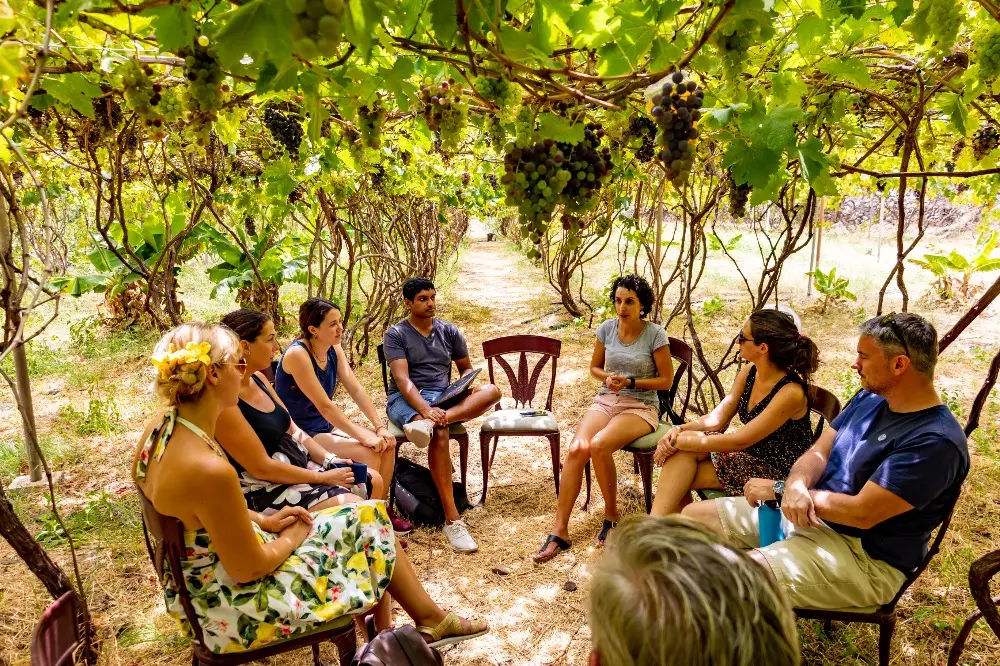
DEFINE THE ACTUAL PURPOSE OF THE OFFSITE
DEFINE THE ACTUAL PURPOSE OF THE OFFSITE
Why are we actually doing this offsite?
Because different objectives require completely different experience design.
🎯 Common Corporate Offsite Objectives
Team Alignment
Best for:
fast-growing organisations
cross-functional teams
post-restructuring phases
Requires:
collaboration-focused engagement
structured interaction
facilitated participation
Leadership Connection
Best for:
managers
senior leadership teams
strategy groups
Requires:
retreat-style environments
deeper discussions
slower-paced engagement
Employee Motivation & Energy
Best for:
sales teams
annual kickoffs
high-growth environments
Requires:
high-energy participation
recognition moments
celebration-led engagement
Culture Building
Best for:
hybrid teams
distributed workforces
scaling companies
Requires:
interactive experiences
informal connection
collaborative participation
Chapter 2 of 8
1 visual
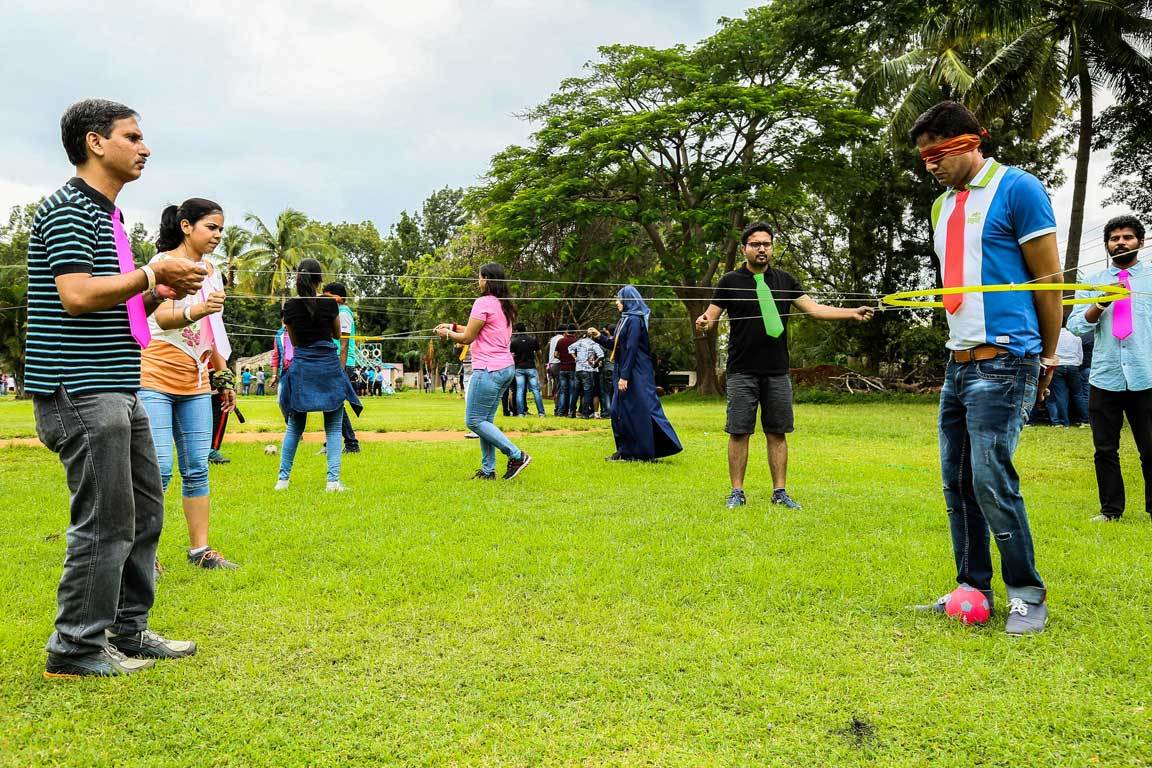
CHOOSE THE RIGHT OFFSITE FORMAT
CHOOSE THE RIGHT OFFSITE FORMAT
🏢 Conference + Team Building Format
Best for:
enterprise teams
annual meets
conferences
Combines:
strategy sessions
engagement activities
networking experiences
Very effective for:
100–500 participant groups
🌿 Retreat-Style Offsites
Best for:
leadership groups
burnout recovery
executive alignment
Focuses more on:
conversations
reflection
slower interaction
Usually works best in:
nature-focused destinations
premium retreat environments
⚡ High-Energy Engagement Offsites
Best for:
sales teams
younger workforces
startup cultures
Focuses on:
movement
participation
competitive collaboration
energy activation
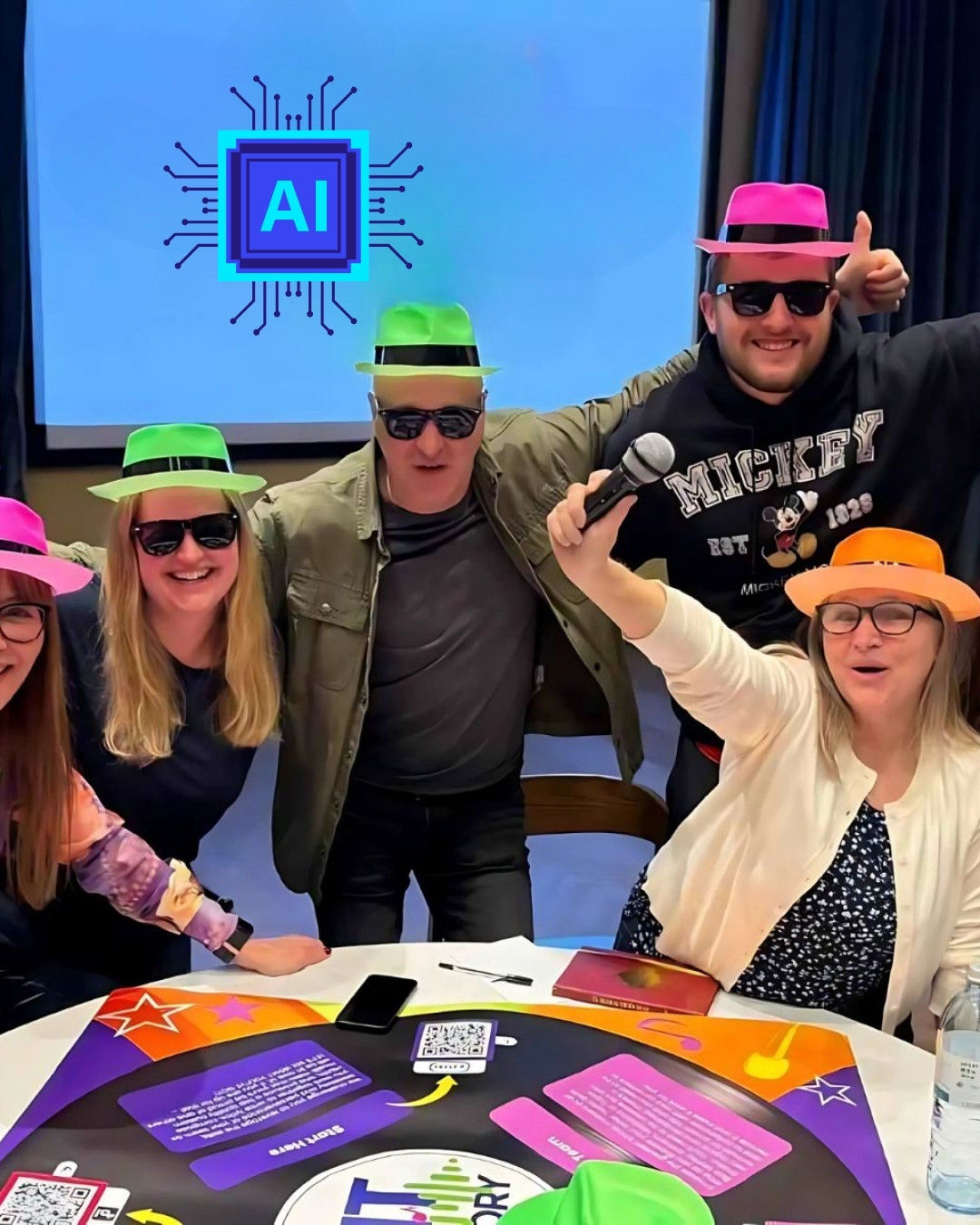
🤖 AI & Innovation Offsites
Best for:
tech companies
innovation teams
future-of-work conferences
Includes:
AI-powered engagement
collaborative simulations
innovation challenges
interactive workshops
Chapter 3 of 8
2 visuals
CHOOSING THE RIGHT VENUE

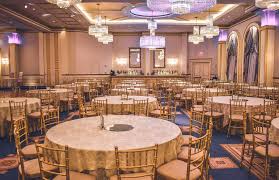
✅ WHAT TO LOOK FOR
Flexible activity spaces
Conference + outdoor compatibility
Strong AV infrastructure
Comfortable movement flow
Reliable hospitality operations
Breakout interaction zones
Scalability for large groups
🚨 COMMON VENUE MISTAKES
Choosing only based on visuals
Underestimating travel fatigue
Ignoring facilitator movement flow
Poor crowd distribution planning
Weak conference infrastructure
These problems become significantly worse at 100+ employee scale.
Chapter 4 of 8
DESIGN THE EXPERIENCE FLOW
🧠 GREAT OFFSITES HAVE RHYTHM
The best large-group offsites usually include:
Morning activation
Midday collaboration
Informal networking
High-energy engagement
Reflection or closure moments
Without rhythm:
participation fatigue appears quickly.
Chapter 5 of 8
TEAM BUILDING SHOULD BE STRUCTURED
Most companies add:
random activities
At the last minute.
This creates:
disconnected participation
awkward engagement
low retention
uneven energy
The best team building formats for 100+ employees are:
scalable
facilitator-led
operationally structured
participation-focused
✅ ACTIVITIES THAT WORK WELL FOR LARGE OFFSITES
AI-Powered Simulations
Large-Group Collaboration Challenges
Leadership Decision Games
CSR Build Experiences
Conference-Friendly Team Activities
High-Energy Tournament Formats
Chapter 6 of 8
OPERATIONAL PLANNING MATTERS MORE THAN MOST COMPANIES REALISE
Large-group offsites are operationally complex.
Especially when managing:
rooming
transport
schedules
dietary requirements
AV
crowd movement
engagement timing
Smooth execution usually comes from:
detailed planning
facilitator coordination
contingency systems
operational discipline
NOT improvisation.
Chapter 7 of 8
WHAT HR & LEADERSHIP TEAMS OFTEN GET WRONG
One of the biggest misconceptions:
“If employees are smiling, the offsite worked.”
Not necessarily.
Strong offsites create:
meaningful participation
stronger interaction
workplace connection
memorable engagement moments
Not just temporary entertainment.
Chapter 8 of 8
WHY MODERN OFFSITES REQUIRE BETTER EXPERIENCE DESIGN
Employee expectations have changed dramatically.
Modern teams respond better to:
immersive experiences
intelligent facilitation
participation-driven formats
collaborative engagement
professionally designed interactions
This is why:
AI-powered experiences
future-of-work engagement
large-scale simulations
structured participation systems
Are becoming increasingly important in corporate offsites.