
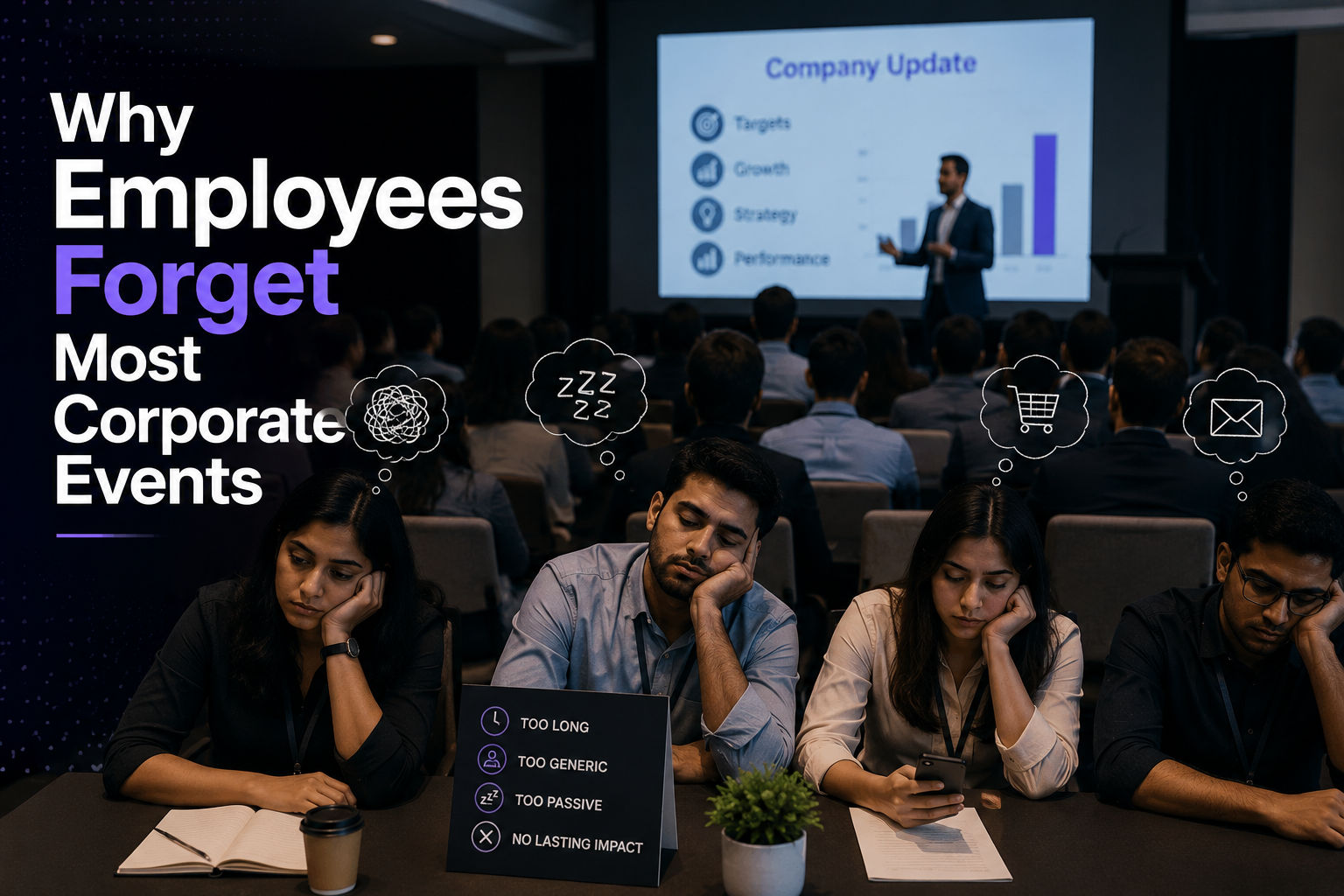
In this article
Everything you need to plan smarter
9 chapters with visuals and practical guidance for HR and leadership teams.
Chapter 1 of 9
2 visuals
MOST CORPORATE EVENTS PRIORITISE SPECTACLE OVER PARTICIPATION
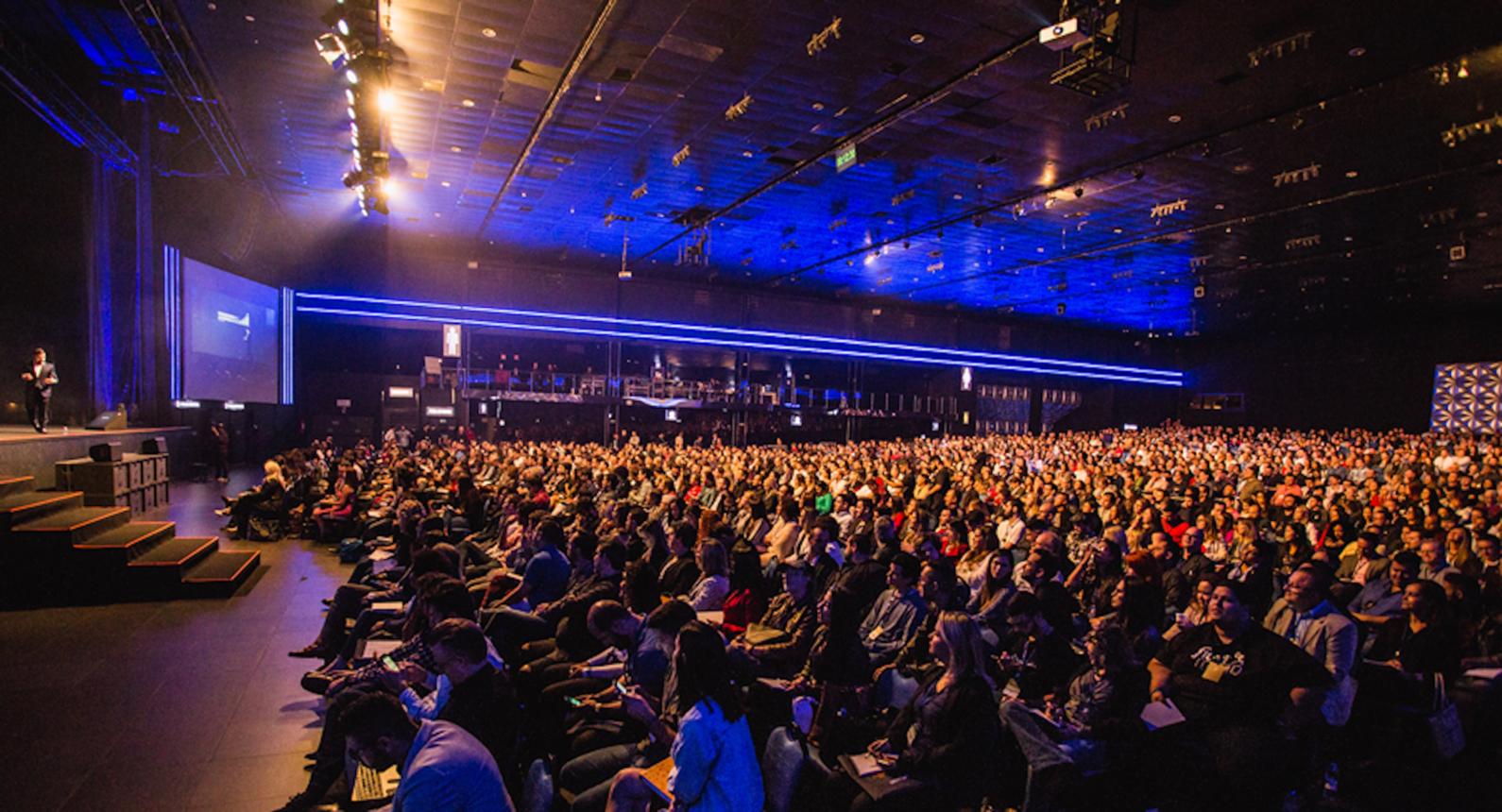
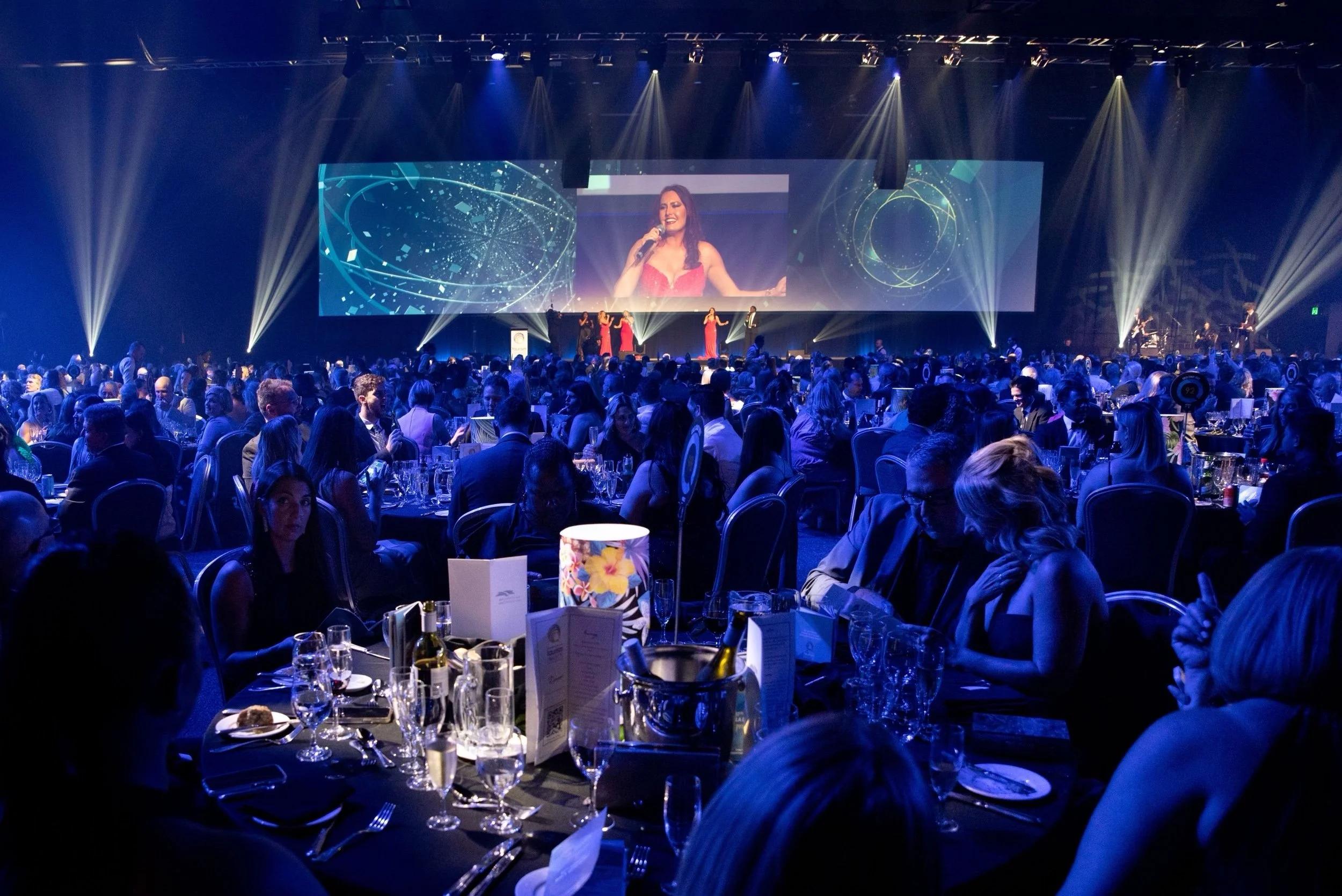
This is one of the biggest reasons events become forgettable.
Many corporate experiences focus heavily on:
visual production
entertainment
stage programming
packed schedules
passive audience experiences
Employees spend most of the event:
watching things happen.
Not:
actively participating.
This creates:
temporary stimulation
low emotional ownership
weak memory retention
Because humans remember experiences more deeply when they:
contribute
collaborate
interact emotionally
participate actively
Not when they simply:
consume content.
Chapter 2 of 9
3 visuals
EMPLOYEES REMEMBER HOW EXPERIENCES FELT
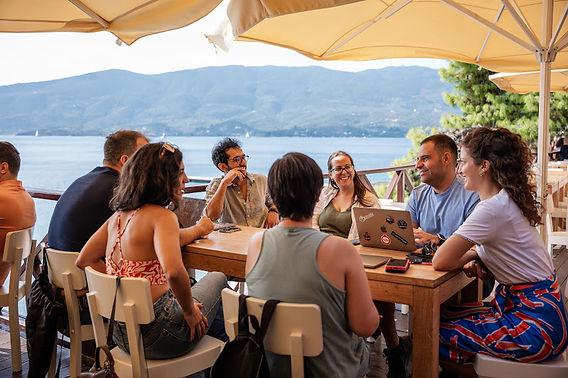
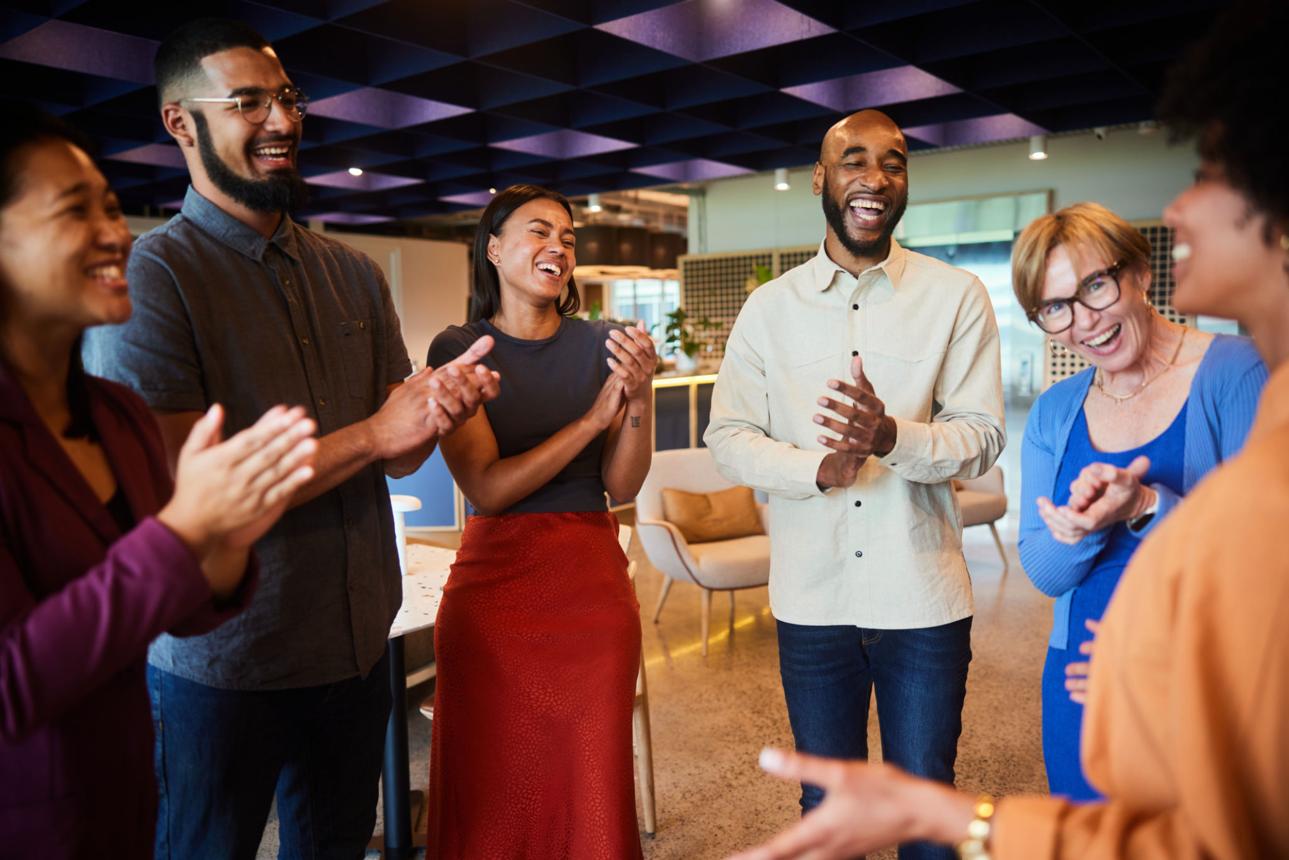

This is critical.
Employees do NOT remember events logically.
They remember them emotionally.
People tend to remember:
how included they felt
who they interacted with
emotional moments
meaningful conversations
moments of participation
Far more than:
operational details
agendas
schedules
stage production
This is why some simple workplace experiences become:
emotionally memorable.
While expensive events feel:
surprisingly forgettable.
Because emotional participation matters more than spectacle alone.
Chapter 3 of 9
3 visuals
MANY EVENTS CREATE PASSIVE EMPLOYEES
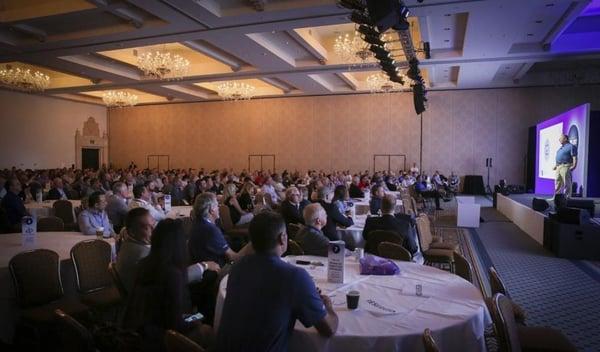

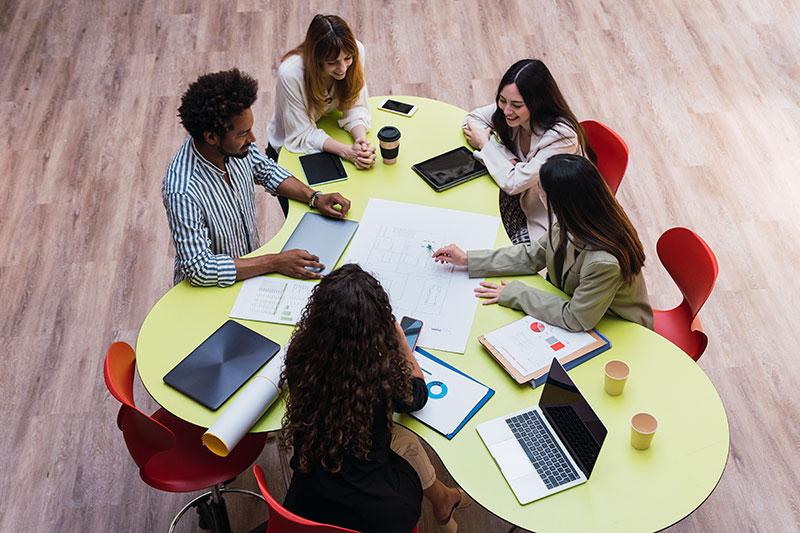
This is one of the most common engagement problems.
Large corporate events often unintentionally turn employees into:
audiences
observers
spectators
Instead of:
contributors
collaborators
active participants
This usually happens because:
activities are too generic
interaction is limited
facilitation is weak
engagement is overly stage-focused
The result:
employees attend the event —
without emotionally experiencing it deeply.
Chapter 4 of 9
2 visuals
OVER-SCHEDULING REDUCES MEMORY QUALITY
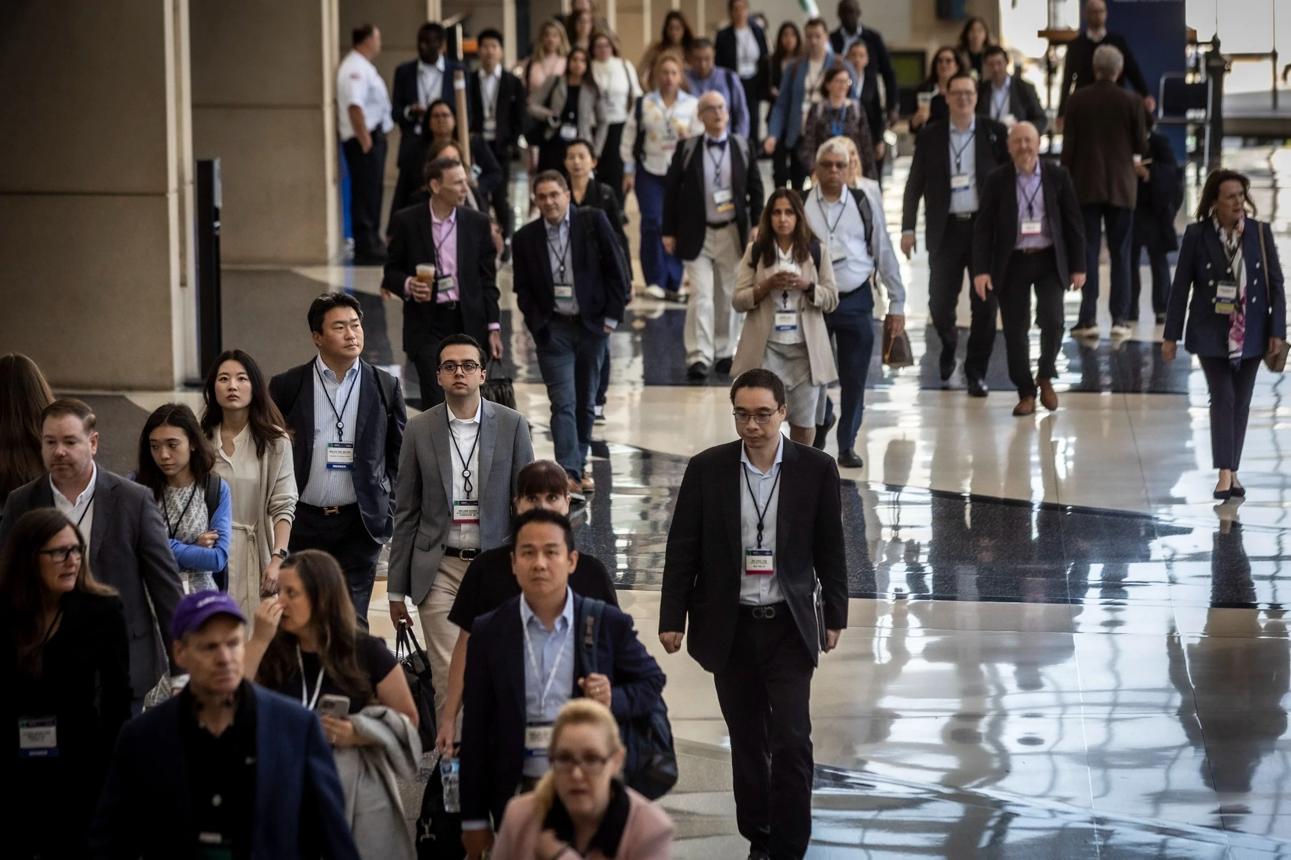
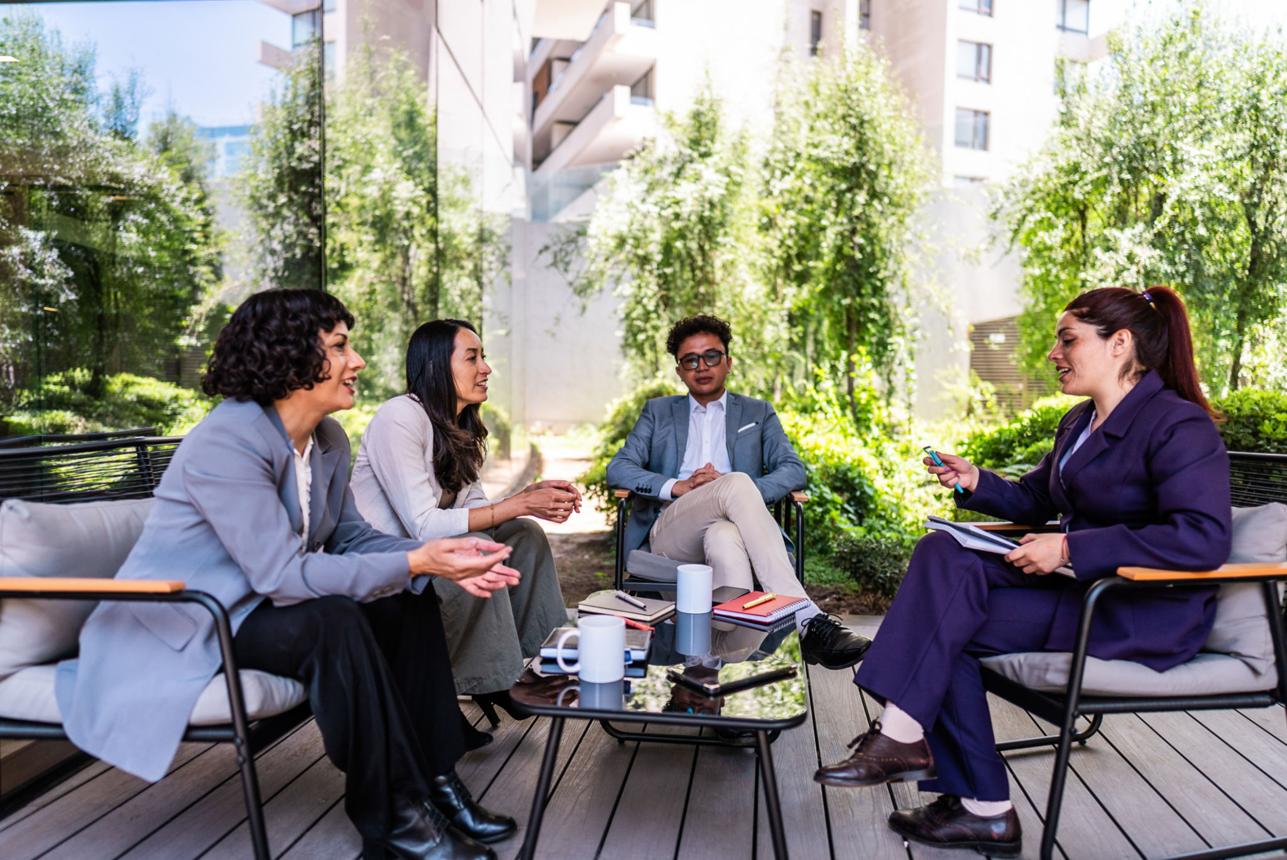
Many corporate events try to do:
too much.
The schedule becomes:
overloaded
rushed
meeting-heavy
operationally dense
Employees move continuously between:
sessions
activities
announcements
networking blocks
Without enough:
reflection
breathing space
natural interaction
emotional processing
This creates:
cognitive fatigue
shallow participation
weak memory formation
The best workplace experiences create:
rhythm
pacing
emotional variation
intentional interaction
Not just:
activity volume.
Chapter 5 of 9
3 visuals
THE BEST EVENTS CREATE SHARED EXPERIENCE
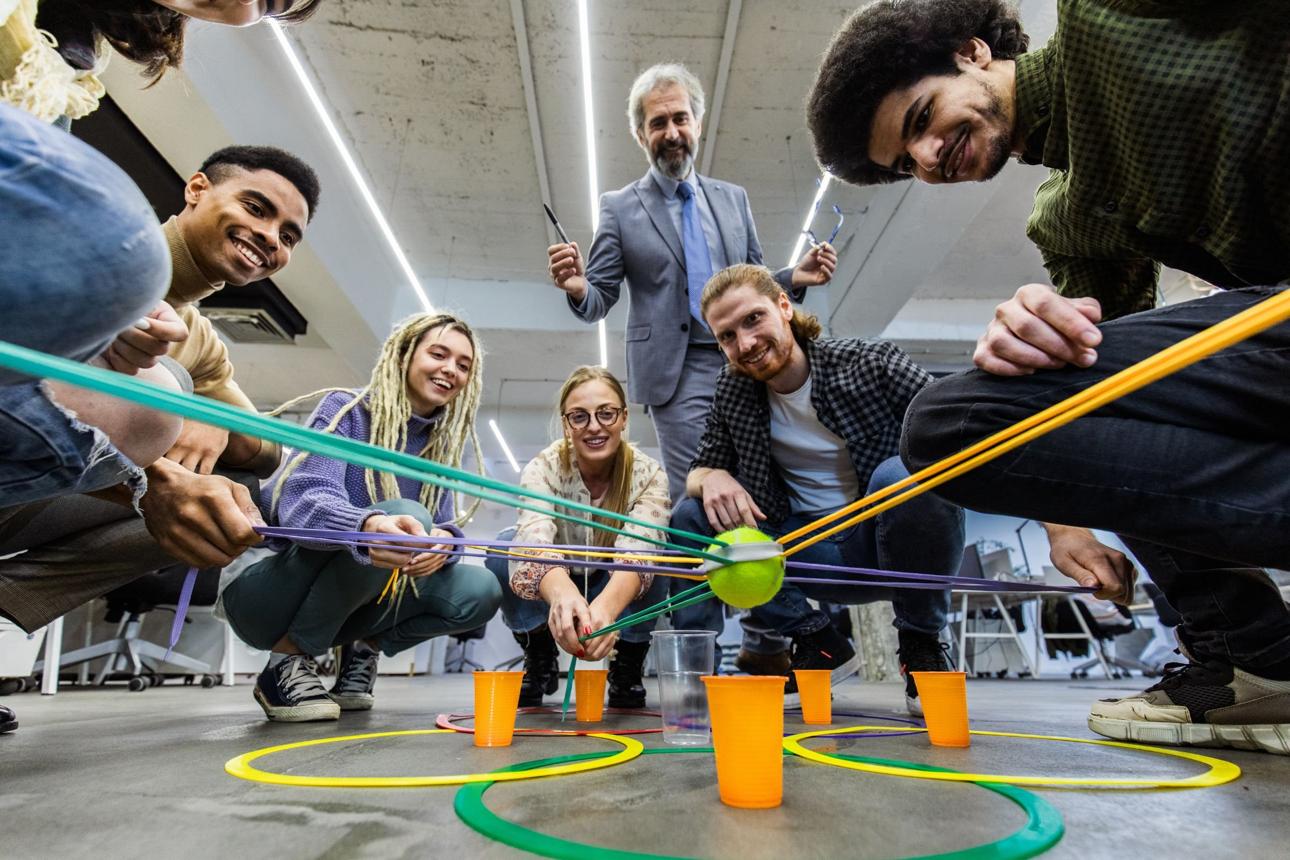
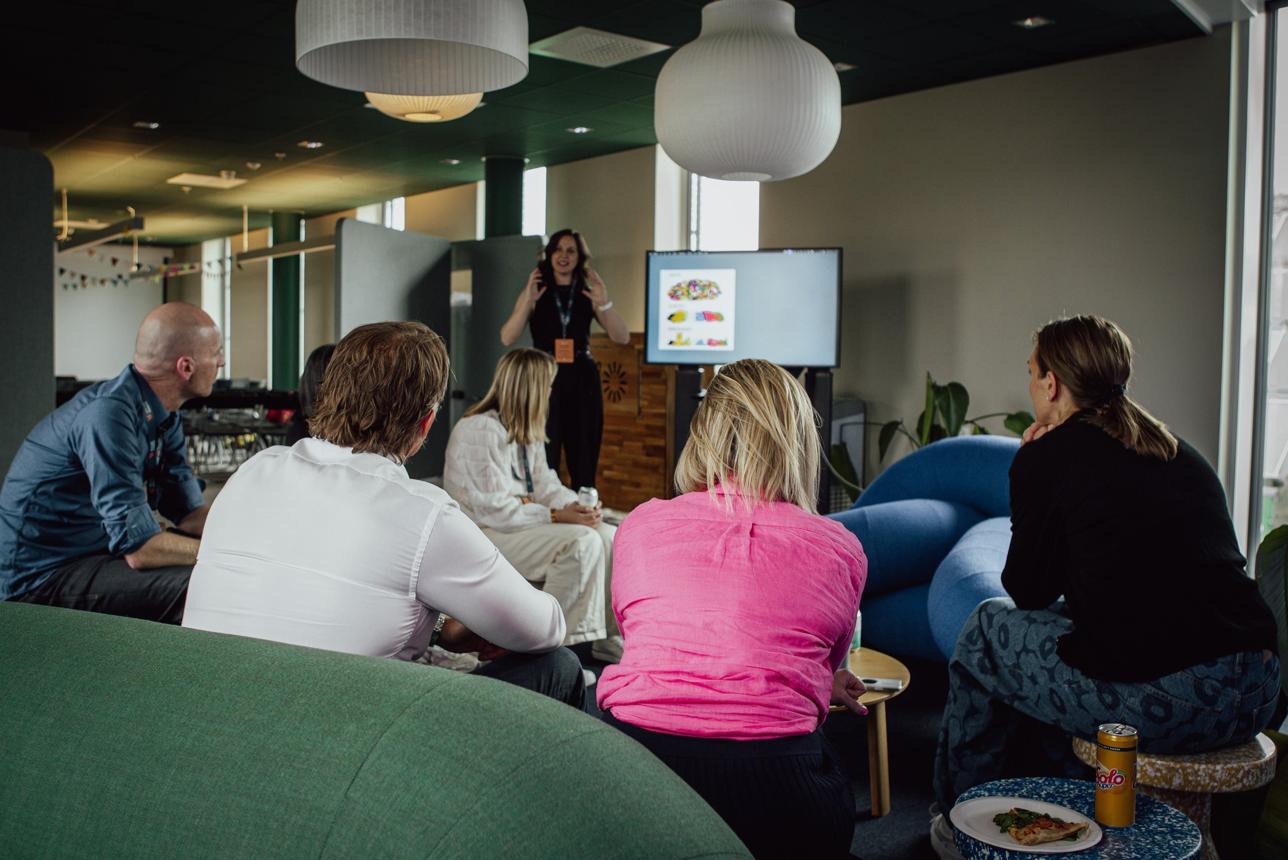
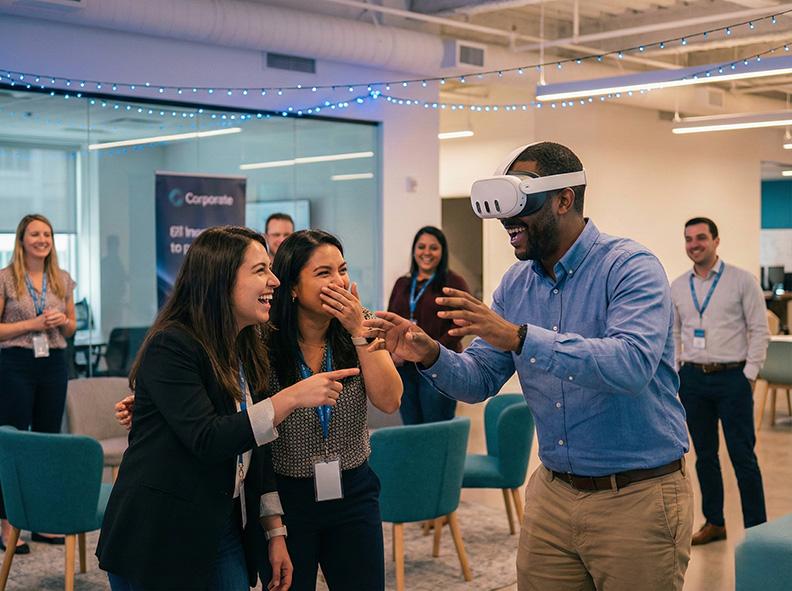
Employees remember moments when they:
solved challenges together
laughed together
collaborated naturally
experienced emotional participation
felt socially connected
Shared experience creates:
emotional bonding
stronger workplace memory
lasting social connection
This is why:
immersive team building
collaborative simulations
AI-powered engagement
participation-driven experiences
Often become significantly more memorable than:
passive entertainment formats.
Because employees become:
Chapter 6 of 9
3 visuals
EMPLOYEES CAN IMMEDIATELY SENSE “PERFORMATIVE ENGAGEMENT”
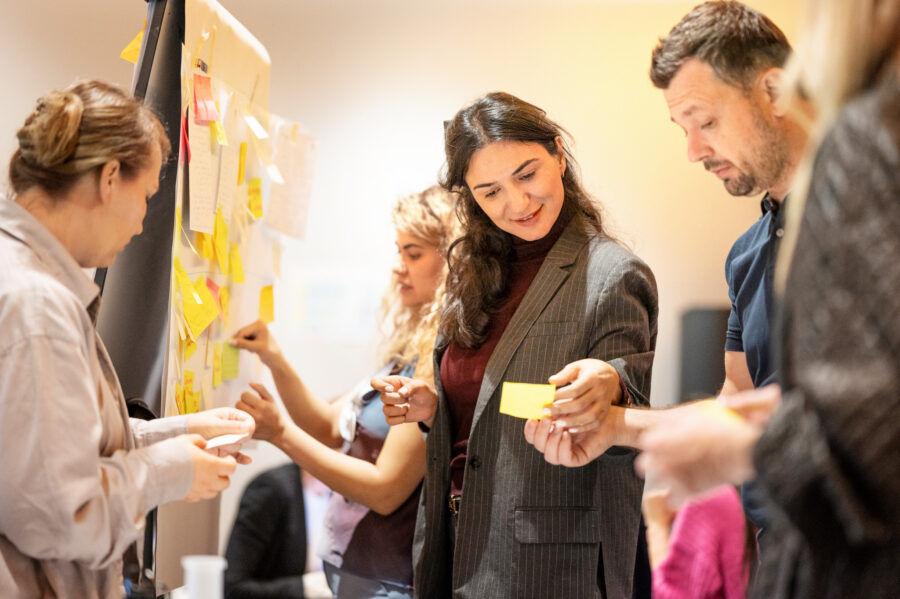

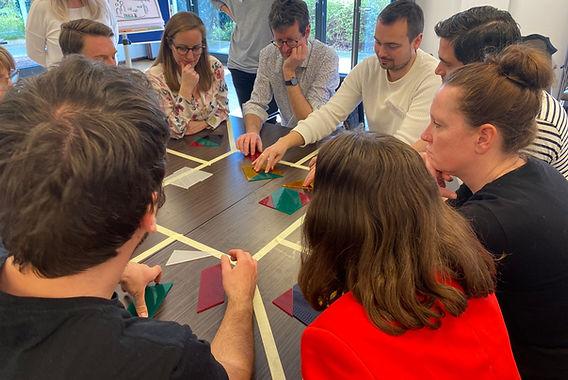
Modern employees are highly aware of:
forced interaction
symbolic engagement
low-effort activities
superficial participation
This creates:
emotional detachment
passive involvement
low retention
Employees increasingly respond better to experiences that feel:
authentic
collaborative
intelligently designed
immersive
human-centered
Not:
corporate obligation disguised as fun.
Chapter 7 of 9
2 visuals
WHY PARTICIPATION CREATES STRONGER MEMORY
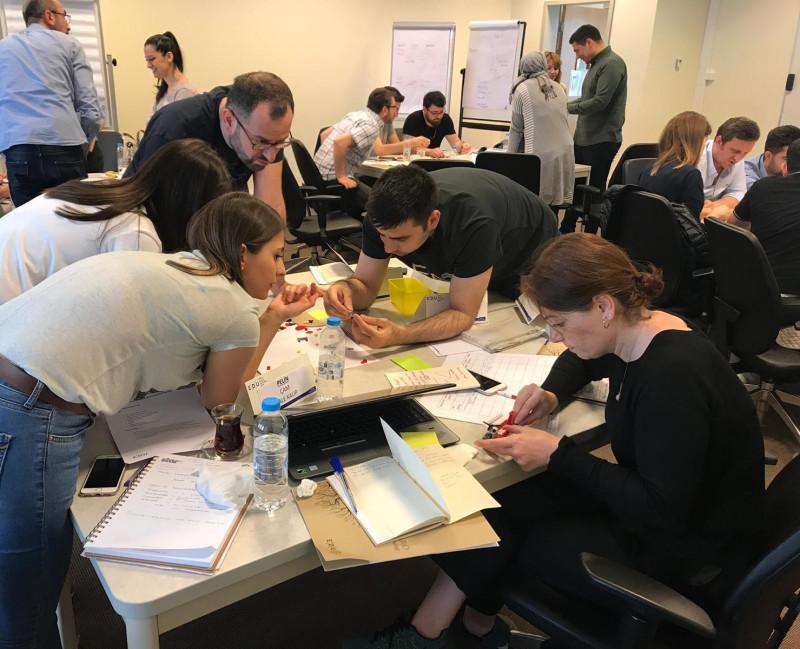
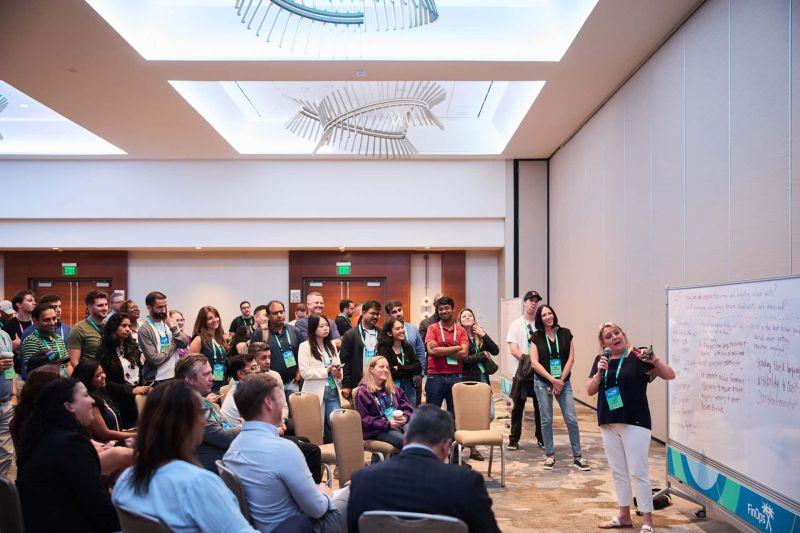
Participation changes how the brain processes experiences.
When employees actively:
contribute
collaborate
problem-solve
create together
The experience becomes:
psychologically owned.
This increases:
emotional connection
memory retention
social bonding
engagement quality
That is why participation-driven experiences often outperform:
passive entertainment
stage-heavy events
presentation-focused formats
Even with:
smaller budgets
simpler production
Because:
emotional involvement matters more than visual scale.
Chapter 8 of 9
3 visuals
MODERN EMPLOYEES EXPECT BETTER EXPERIENCES
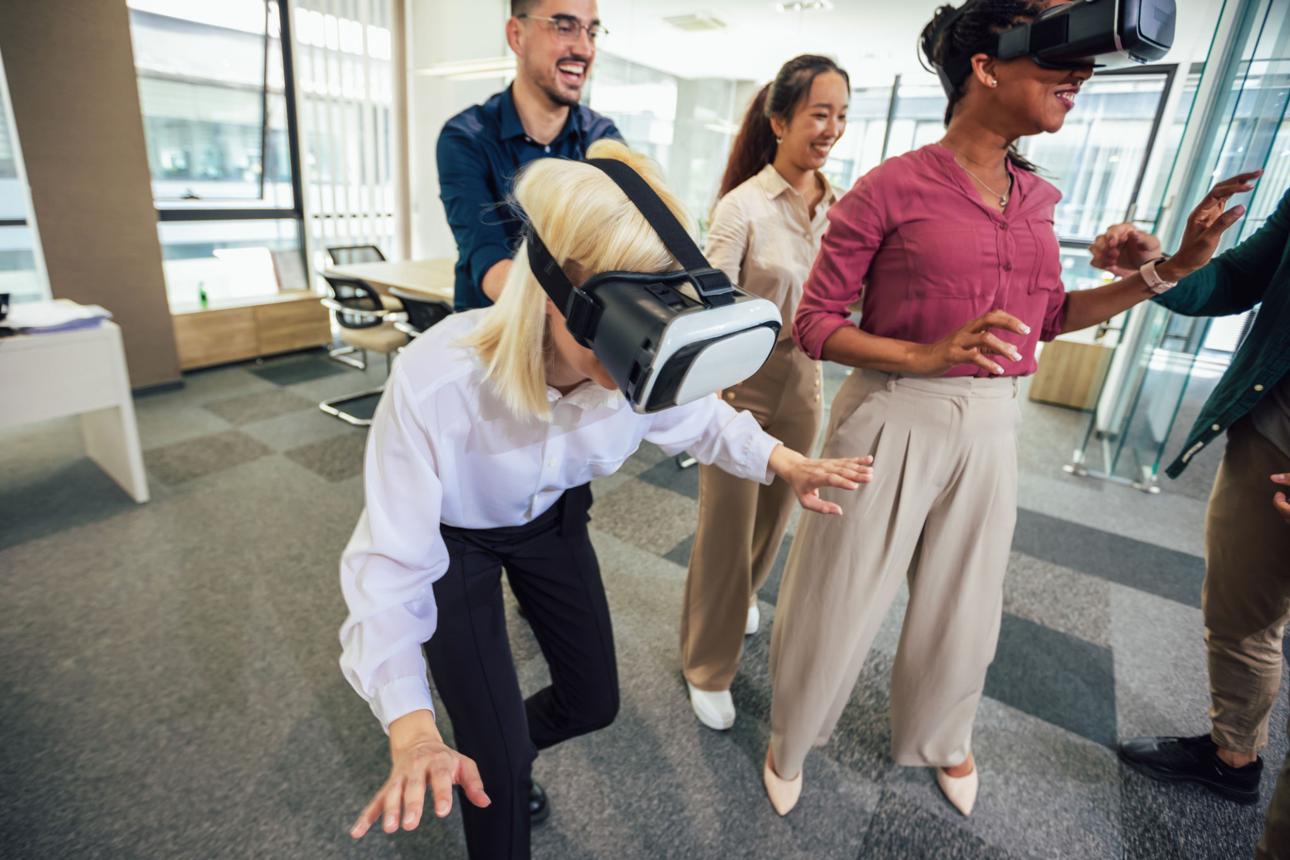
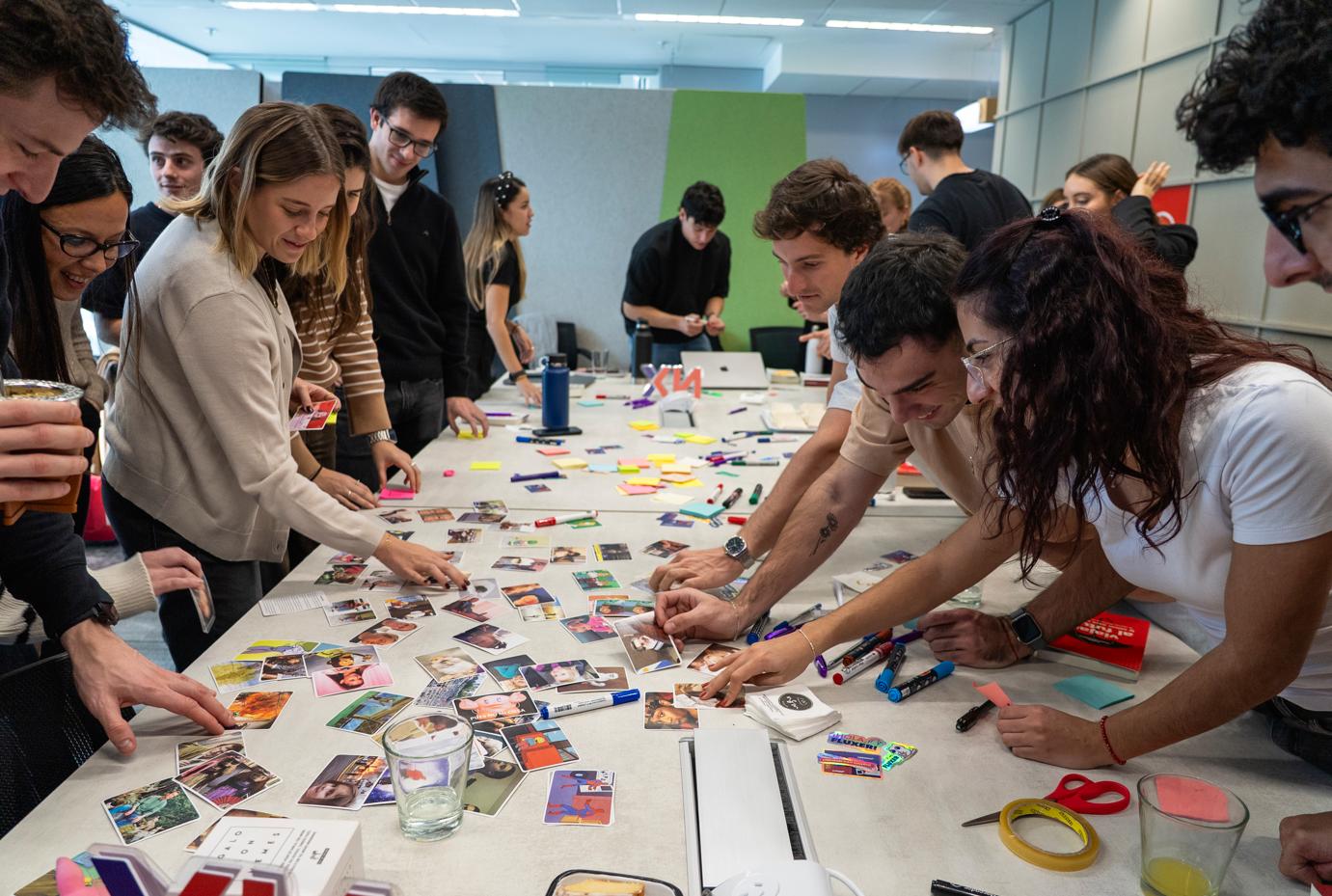
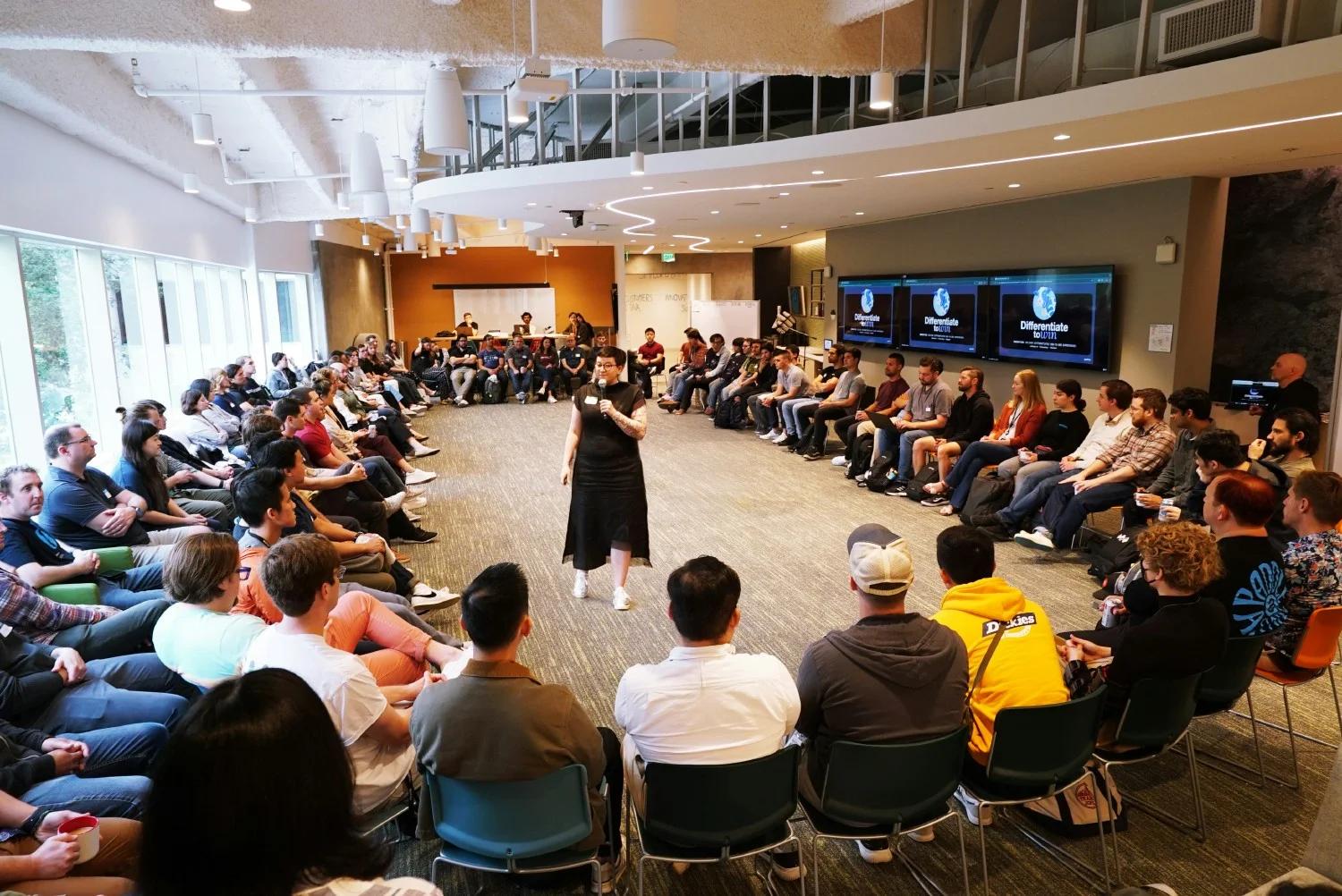
Employee expectations have evolved significantly.
Today’s workforce increasingly rejects:
repetitive event formats
passive engagement
awkward icebreakers
generic corporate programming
Modern employees respond better to experiences that feel:
immersive
collaborative
future-focused
emotionally meaningful
professionally facilitated
This is why modern workplace engagement increasingly includes:
AI-powered experiences
collaborative storytelling
structured participation systems
large-group interaction design
human-centered facilitation
The expectation level has changed dramatically.
Chapter 9 of 9
3 visuals
THE BEST ORGANISATIONS DESIGN FOR MEMORY, NOT JUST EXECUTION

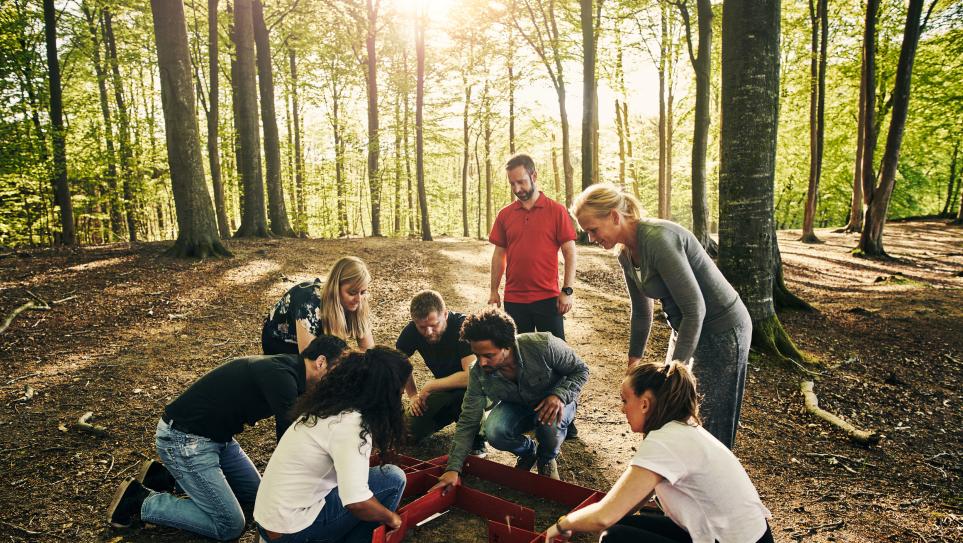
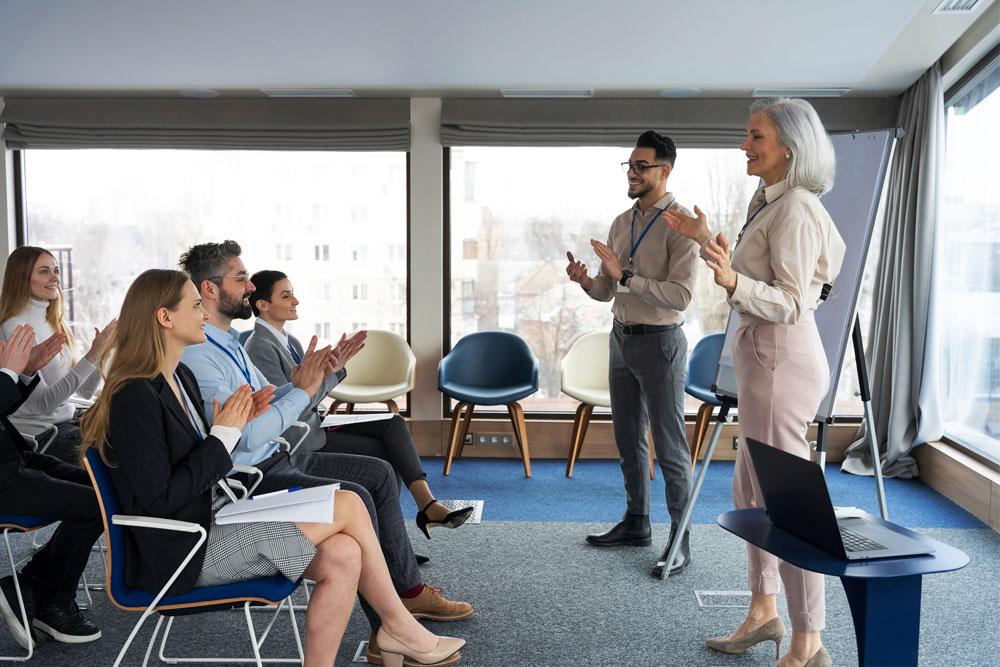
The strongest workplace experiences are intentionally designed around:
emotional participation
interaction quality
shared moments
collaboration
human connection
The best organisations increasingly ask:
What will employees actually remember?
Did people meaningfully participate?
Did the experience create emotional connection?
Did employees interact naturally?
That shift transforms events from:
operational gatherings
Into:
memorable workplace experiences.